|
Therapeutic Recommendations: Herbal
Milk Thistle (Silybum mariannum) - This is a major player in the treatment of liver disease. It helps loer enzyme levels and facilitates the liver in it process of detoxifying the body. European research has shown that it is effective in treating cirrhosis, chronic hepatitis and alcohol induced fatty liver. It also helps protect the liver for those individuals that are taking prescription medications known to elevate liver enzymes.
|
Dosage: A normal dose would be 6-9 dropperfulls in a cup of warm water per day. You might want to start with 2-3 dropperfulls to begin with, as it has a natural cleansing effect. For chronic cases: You may increase you dosage over time to 12-14 dropperfuls per day in warm water. Divide it up into 6-7 dropperfulls in the AM and the other half in the PM.
Caution: If you have large gallstones, please consult your physician. Milk thistle will increase the flow of bile into the intestines and may promote the movement of stones. Elimination through a severely clogged gall bladder may present a health risk.
Recommendation: Skye Herbals Physician's Grade Herbal Extracts
|
|
|
 |
Castor Oil Packs (Liver cleanser) - Additional supplies that you will need: cold-Pressed castor oil, wool flannel, plastic wrap and heating pad. Fold the flannel into three or four layers. Soak it with castor oil. Put the flannel in a glass baking dish, or baking pan that is stainless steel (not aluminum), and heat it slowly in the oven until hot (make sure that it is not scalding as you don’t want to burn your stomach. Rub castor oil on your stomach, lie down, and place the hot flannel on top of your stomach. Seal off the flannel with plastic wrap. Cover with the heating pad for one hour, keeping the flannel hot but not uncomfortable.
Suggested Dosage: During the detox period, use the castor oil pack once a day for three days, take three days off, and then use it for another three days. You can safely use this regimen throughout the next two months.
Recommendation: None |
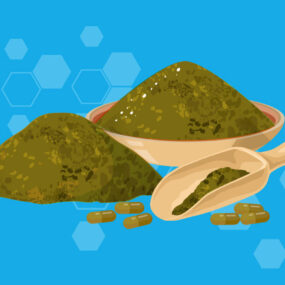
Pueraria (Kudzu) - Several properties are extracted from this herb which include the isoflavones daidzein, daidzin, genistein and puerarin. For several years now, these properties have been studied for their potential ability to treat alcoholism and to reduce the symptoms of hangovers. At least some of them are known to block two of the natural enzymes that break down alcohol in the body. A study where animals were given alcohol and kudzu, showed that they had lower blood alcohol levels than animals given comparable alcohol alone. Interestingly enough, the animals that were given kudzu showed less interest in drinking alcohol. In addition, kudzu appeared to protect the animals’ brain, liver, and spine cells from damage by alcohol and other toxic chemicals. The effects of kudzu on humans are presently being investigated intensively. Dosage: Kudzu is available in several different ways, most commonly as raw fresh root (usually called crude root), or as tablets made from dried and powdered root or root extract.
|
Dosage: For kudzu tablets, 10 mg. is the approximate equivalent of about 1,500 mg (1.5 grams) of crude kudzu root.
Kudzu root: 9,000 to 15,000 mg (9-15 grams)
Kudzu tablets: 90 mg to 360 mg divided into two or three doses
Kudzu extract: 300 mg to 900 mg divided into three doses
Caution: People with diabetes should use kudzu with extreme caution and monitor their blood sugar levels carefully while taking it to avoid hypoglycemia. Kudzu may also aggravate hormone-dependent conditions or interfere with treatment for them. Women with endometriosis, uterine fibroids and cancer of the breast, ovaries, or uterus should not take kudzu. Men with prostate cancer should also avoid taking it.
Recommendation: None
|
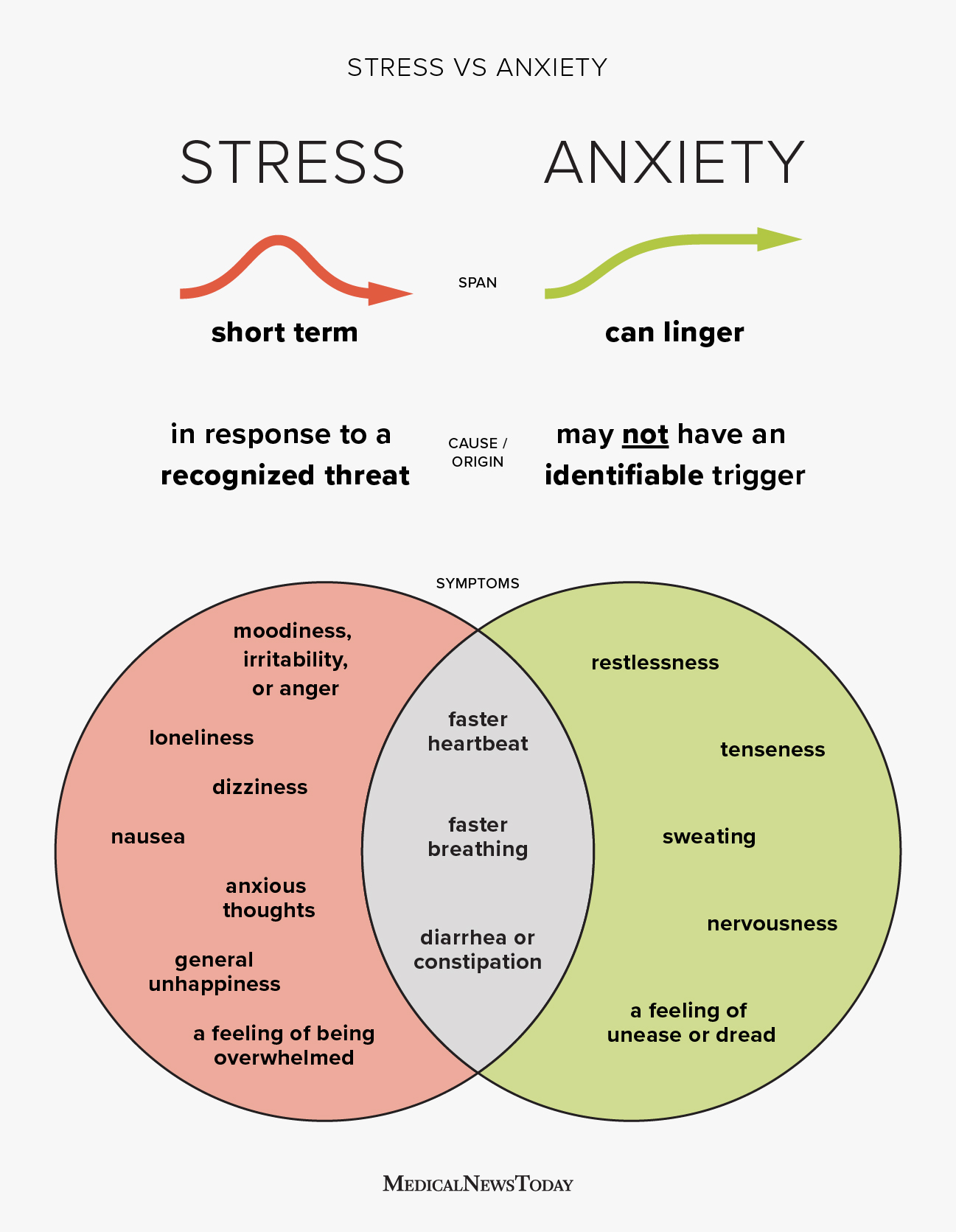
Astragalus (Astragalus membranaceous root) - This herb is only now beginning to come into its own in North America and Europe. In traditional Chinese use, astragalus (huang se) is usually combined with other herbs to achieve the desired effect. Astragalus strengthens digestion and promotes overall immune function. It is most commonly used for restoring and strengthening qi (pronounced chee), a concept that does not fit readily into our Western medicine. The bottom line is that astragalus is an “adaptogenic” herb that is valuable for a wide range of uses including anxiety and stress related conditions.
|
Dosage: Extract, 2-4 dropperfuls in some juice or tea.
Caution: Astragalus may have a negative impact on anesthesia and on the analgesic Nubain (nalbuphine), so people about to undergo surgery, should not use astragalus. Also, the anticoagulant activity of astragalus may interact with Coumadin, increasing the risk of bleeding. It may counteract diabetes drugs and beta-blockers.
Recommendation: None
|
Skullcap (Scutellaria lateriflora) - This is a broad spectrum nervine tonic. It has been used successfully in cases of anxiety, depression, insomnia, and headaches. It is considered one of the preferred herbs to help ease the withdrawal symptoms during recovery. During the first 72 hours of withdrawal, it may be taken every couple of hours. Skullcap is loaded with flavonoids which act as natural anti-inflammatory agents.
|
Dosage: Dried herb: 1 to 2 grams 3 times a day
Tea: 1 cup 3 times a day
Tincture: 40-50 drops in tea or juice a day
|
Siberian Ginseng (Eleutherococcus senticosus) - This herb is known to favorably effect the adrenal glands, which are the small glands that rest atop the kidneys and secrete stress-fighting hormones. It is known for its ability to combat lack of appetite, correct insomnia, and improve memory. It boosts mental alertness, allays nervous disorders, and enhances energy. When recovering from substance abuse, it also helps the body adapt to the metabolic stress of recovery.
 |
|
|
Dosage: 20-40 drops of tincture 1-2 times a day. Capsules: 100-200 mg three times a day. To give your body a rest, take a one to two week break from Siberian Ginseng regimen every three months.
Caution: To avoid restlessness, do not take Siberian Ginseng within an hour of bedtime. If taking blood pressure medication, do not take Siberian ginseng. It should not be taken by individuals with hypertension.
Recommendation: Dr. Schulze's Super Ginseng Blend
|
|
Mood Mender - Anything that causes the body or mind to have to make a rapid adjustment so as to maintain its integrity is a stress factor. Detoxification from substance abuse is a large stress factor and the right kind of herbs can be a great asset not only during times of heavy pressure but also to help increase your body’s adaptive energy so you can take copious amounts of pressure without cracking. Adaptogens are natural substances which can help protect you against mental and physical fatigue. In practical terms, they improve your ability to adapt to all forms of stress, while at the same time helping to normalize its biochemical effects. Adding complementary herbs with adaptogens makes for perfect harmony to stabilize the workings of the central nervous system. Mood Mender does exactly that with a combination of four powerful adaptogenic herbs, Rhodiola, Ashwagandha, Schisandra, and Siberian Ginseng which all serve to support a healthy mood. Please visit our product page for more detailed information on Mood Mender.
| Lobelia (for the smoker) - According to Michael Murray, N.D., of Bastyr College in Seattle, Washington, lobelia is the most prominent herb used to combat the effects of nicotine withdrawal. “The active ingredient in lobelia, lobeline, has similar actions to nicotine, but it is gentler, has a longer duration of action, and is a suitable alternative to nicotine chewing gum or the nicotine patch,” says Dr. Murray. “Another herb that has been shown to contain components useful in helping people to quit smoking, adds Doctor Murray, “is Ephedra sinesisorma-huang. Ephedrine, the active constituent in this herb, decreases the number of cigarettes smoked. Lobelia or lobeline is more effective when it is used with a stimulant. So it is possible that by combining lobelia and ephedra (a stimulant), you will get better results than if you use either alone.” |
|
 |
Lobelia, however, warns Doctor Murray, is only an interim measure in treating nicotine dependency. Because the patient can become hooked on this herb, it is important to wean the smoker off lobelia over a period of a month.
 |
|
|
|
4
|
|
|
|
|
|