|
Herbal medicine has long been considered “the people’s medicine” for its accessibility, safety and the ease with which remedies can be made. Commonly throughout history, if someone wanted a particular medicine, they needed only grow it in their garden or find a place where it grew naturally and could be gathered. Thoughtfulness was required about when to harvest the plant, and often the medicine used was a tincture, the recipe for which had been passed down for generations. These practices were environmentally and financially sustainable and remain a cornerstone of herbal medicine.
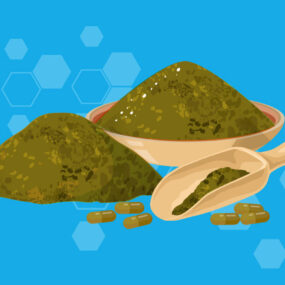
Long since have these traditional practices been replaced with corporate practices where the main focus lies not with quality in manufacturing standards, but rather with how quickly a profit can be turned, regardless of the outcome of the product. Low quality herbs, often toxic and laden with pesticides, insecticides, heavy metals, and bacteria from human waste and dirty conditions are imported from third world countries and put to use in mainstream alternative medicine. The majority of the countries where the herbs originate from lack governmental regulation and control regarding pesticides, insecticides, and chemical fertilizers that would otherwise be banned in most parts of the world. What is more, many of these third world growers still use DDT. Additionally, when herbs enter our country in commercial quantities they put into chambers whereby they are gassed with Ethylene Oxide (EO) for sterilization purposes. Ethylene Oxide treatment is standard with all the major herb importers and suppliers, and its residues can stay on a plant for over a year. Ethylene Oxide is proven to cause cancer and leukemia, mutate unborn children, and kill liver and nerve cells. There are very few herbal manufacturers that use non-gassed herbs.
Sadly, the herbal supplement industry is largely unregulated as to the quality or purity of what it produces, in essence giving mainstream manufacturers free reign. Toxic residues are passed down to the unsuspecting consumer through encapsulated or tinctured herbal supplements from poor quality herbs for the sole reason of cutting production costs and nothing more. When it comes to the production standards regarding liquid extracts, these very same companies employ the use of “efficient” extraction methods whereby a low concentration of the herb is left to steep in large vats for approximately 3-4 days until it is pressed out and bottled. The result, is little more than a clear tinted liquid with zero medicinal value.
These deplorable practices have given the herbal industry a bad name, and for the uninformed consumer putting their faith in an herbal product pulled off local health food store shelves, the result is one more person that will turn their back on alternative medicine.
|
Origin of Our Herbs
We use only organically grown or ecologically wild-crafted botanicals, the majority of which are secured from certified organic farms in the pacific northwest. Obtaining our herbs from these farms ensures the finest herbs available anywhere, as the cool, damp, fertile soil provides for some of the healthiest and most vital plants attainable. Our relationship with our growers is one built upon integrity, as the care, attention, and nutrients they provide their plants results in herbs of the highest quality and medicinal value. Plants are always harvested in a sustainable manner, with only the utmost respect given to the plant and its environment.
Each incoming herb is organoleptically tested prior to being released. This test is a sensory evaluation of each raw herb, including smell, visual quality, taste, feel, and sound of the plant being split or fractured. Only the choicest herbs make it through our quality control. The herbs that we put to use in our formulas are of the highest caliber, as we cannot accept anything less.
|
|
 |
 |
|
Tincturing & Grinding
Tincturing is the process of making an herbal extract by steeping ground herbs in a liquid menstruum (the liquid portion of the tincture), thereby infusing the liquid with active constituents of the herbs. It is imperative that the amount of herbs used in proportion to the menstruum is in a ratio of at least 2:1. Most manufacturers use 10% herbs to 90% menstruum, which leaves you with far less than adequate medicinal value, if any at all.
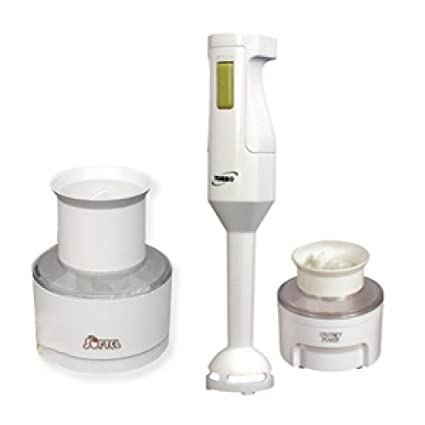
At Jash we fill our commercial blenders with herbs to the top before adding the alcohol menstruum. We then grind the herb to a very fine mash consistency in order for the menstruum to effectively contact the cell structure of the herb to extract the botanical properties. The greater surface area created by grinding allows increased interaction between the herb and the menstruum (solvent system), which pulls the plant constituents into solution. Subsequently, the mash is then distributed into airtight, stainless steel maceration containers, to await our lengthy saturation period. These containers are small enough so that they may still be manually agitated, which is a vital component to the maceration process.
|
|
Maceration & Agitation
The brewing time for most herbal manufacturers of extracts and tinctures equates to about 3-4 days. It is no wonder that so many people tell us that the extracts and tinctures they purchase don’t work. The medicinal value just isn’t there, and why would it be considering the short amount of time it is left to brew. Jash Botanicals brings the process to the opposite end of the spectrum with an unheard of 6 month maceration period.
For the duration of our 6 month maceration process, the maceration containers are stored in a dark, climate controlled environment, so as to avoid any possible degradation from heat and light. In addition, every morning, from the first day to the last day of maceration, each container is agitated by hand to ensure the most effective extraction.
|
|
 |
 |
|
Pressing & Bottling
For centuries, serious herbalists and farmers alike found that the phases of the moon play an important part of the process. Just as the farmers use it to plant and harvest their crops, we at Jash Botanicals use it in the manufacturing of our herbal extracts. On the new moon, we start the brewing process, and on the full moon, we press it, just as it has been done throughout the ages.
Due to the concentration of herbs, and the thick consistency of the mash, the pressing and filtering of the herbs is a very time consuming process as they are carefully extracted in a hydraulic,18,000 pound herbal press. The resulting amount of liquid is much less than modern manufacturers, but what does come out of our presses is some of the finest physicians grade herbal extracts available anywhere. The liquid extract, which now contains the dissolved constituents from the herb is filtered once more to remove any finer, insoluble plant material suspended in the solution.
The herbal formulas produced, are then bottled in 2 ounce bottles, labeled, sealed, and placed again in a dark, climate controlled room to await shipment.
|
What Does This Translate To?
Each step in the manufacturing process is as essential as the next, and functions as a whole to create a formula of superior medicinal value. The resulting purity and quality of our physicians grade extracts can be seen, felt, and tasted in every bottle that we produce, and contains little resemblance to mainstream herbal products found on the health food store shelves of today. At Jash we have maintained that we would always produce a product as if it were for our own family, and we will continue to uphold the integrity of what we stand for.
|