
 |
|
|
Flagging libido and the problems it can cause when partners are out of sync has become a major sexual issue for American couples. Indeed, the landmark 'Sex in America' survey from researchers at the University of Chicago estimates that about one-third of women and 16 percent of men have little or no interest in sex, making this the leading sexual problem among women and number three for men.
But a slump does not equal a trend: Nature offers plenty of assistance to build and maintain our sexual health and to get things back on track when our erotic get-up-and-go takes a hike. These days, you can hardly turn on the computer without being besieged by a steady stream of junk emails touting pills and potions that claim to boost desire, stiffen erections, deliver explosive orgasms, and transform normal penises into telephone poles. The vast majority of these products are cynical rip-offs. However, recent studies show that some herbs do, in fact, stimulate more than just the imagination.
As Americans have done throughout our history, we can borrow from other cultures to enrich ours. Whatever our age, these natural, invigorating extracts from the most sexually healthy countries in the world can help us gain our sexual freedom. Along with a balanced diet that includes plenty of fresh fruits and vegetables in addition to daily exercise, all of us can be empowered to achieve not only healthy sexuality but also overall wellness.
So, happily, our lovely planet's medicine chest is full of herbal helpers, and Jash Botanicals has a combination of powerhouse plant partners that have reputations for increasing sexual vitality and desire in women and men.
|
 |
|
 |
|
|
Scientific Name: Lepidium meyenii
Pharmacopoeia Name: None
Common Names: Maca, Peruvian Ginseng, Maca, Maka, Maca-Maca
Active Compounds: Macosides, Macamides, Macaenes
Common Uses: Libido Enhancement, Sexual Function, Increased Fertility, Sperm Count & Motility, Strength
|
|
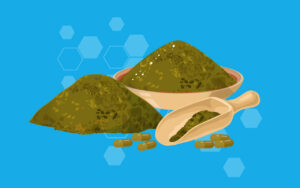
| Maca Overview: A close member of the radish family, maca root dates back almost 500 years and was first utilized by the Incas for its influence on sexual function and fertility. While maca first gained popularity through earlier cultures in South America, maca has made significant headway in the United States during the last ten or so years. Studies on mice that were administered maca extract demonstrated its ability to increase sexual drive and stamina. Today, maca's popularity continues to grow as people from around the world experience first hand, the benefits it possesses with respect to sexual function, libido, and overall energy. |
|
|
|
|
 |
|
|
Scientific Name: Epimedium grandiflorum
Pharmacopoeia Name: None
Common Names: Horny Goat Weed, Yin Yang Huo, Barrenwort, Epimedium, Passionate Goat Weed
Active Compounds: Epimediosides, Glycosides, Ikarisoside, Icarisid, Epimedoside, Icariin
Common Uses: Libido enhancement, Anti-fatigue, Adaptogen, Aphrodisiac, Sexual Function
|
|
| Horny Goat Weed Overview: Traditional Chinese medicine looks at the whole person, while Western physicians tend to focus on a specific area of the body. Epimedium has been extensively studied in modern China, Japan and Korea. The herb that earned the reputation for its prosexual enhancers is popularly known as 'passionate goat weed' or horny goat weed. Studies indicate Epimedium stimulates sensory nerves particularly in the genital region. What's more, studies conducted with animals and humans suggest horny goat weed enhances sperm production and influences desire and sexual activity. So how does Horny Goat Weed work? Research has shown that Horny Goat Weed can inhibit an enzyme called acetylcholinesterase (AChE). AChE rapidly stops neurotranmission at cholinergic synapses like those found in the brain and at neuromuscular junctions. By inhibiting AChE, this functions to enhance neurotransmitters associated with sexual arousal in both men and women. A small study suggests that Epimedium also supports healthy kidneys, regarded by traditional herbal practioners in China as the 'gatekeepers' of sexual function. |
|
|
|
|
 |
|
|
Scientific Name: Ptychopetalum olacoides
Pharmacopoeia Name: None
Common Names: Potency Wood, Muira Puama, Marapuama, Marapama, Potenzhol
Active Compounds: Coumarin, Alkaloids, Muirapuamine, Pholbaphene, Resinous Acids, Tannins
Common Uses: Aphrodisiac, Tension Reliever, Neuromuscular tonic, Libido Enhancement, Anti-Reuhmatic
|
|
| Muira Puama Overview: Known as 'potency wood,' this shrub is a traditional aphrodisiac among many native peoples throughout the Amazon. In one study, researchers in Paris surveyed the sexuality of 202 healthy women complaining of low libido, and then gave them a combination of muira puama and ginkgo. Two thirds reported improved sexual function: greater libido, more frequent intercourse, increased likelihood of orgasm, more intense orgasms, and greater sexual satisfaction. "Often when a plant gets a name like 'potency wood', there's something to that claim," says Blumenthal, author of the Therapeutic Guide to Herbal Medicines. |
|
|
|
|
 |
|
|
Scientific Name: Ginkgo biloba
Pharmacopoeia Name: Ginkgo folium
Common Names: Ginkgo, Maidenhair Tree, Ginkgo Nut, Fossil Tree, Duck Foot tree, Silver Apricot
Active Compounds: Flavonoids, Flavonone Glycosides, Ginkgolides, Bilobalide, Ginkgolic Acids
Common Uses: Circulatory Stimulant, Memory Enhancement, Adaptogen, Vasodilation, Peripheral Circulation
|
|
| Ginkgo Biloba Overview: Is Ginkgo an Aphrodisiac? Given Ginkgo's proven ability to dilate blood vessels and improve blood flow to the genitals, it is not surprising to note that many aphrodisiac formulas contain ginkgo extract. According to Doctor Stephen Karch, a specialist in cardiac pathology and author of The Consumer's Guide to Herbal Medicine, ancient Chinese herbalists referred to gingko as an aphrodisiac. In addition, there is preliminary evidence that Gingko can improve sexual function in some individuals with antidepressant-related sexual dysfunction. Lastly, a preventive dose of Gingko started in middle age may preserve youthful brain functioning in old age. |
|
|
|
|
 |
|
|
Scientific Name: Tynanthus panurensis
Pharmacopoeia Name: None
Common Names: Clavo Huasca, Clove Vine, White Clove
Active Compounds: Tinantina, Tannic Acids, Eugenol
Common Uses: Libido Enhancement, Sexual Function, Digestive Stimulant, Aphrodisiac, General Tonic
|
|
| Clavo Huasca Overview: Widely revered in Peruvian herbal medicine for its ability to produce a range of sexual benefits, clavo huasca is large woody clove vine that is indigenous to the Amazon rainforest. According to a recent study, clavo huasca extract was administered to 38 female subjects, all over the age of 50, in which more than 50 percent reported noticeable improvement in their sexual relations. Also noteworthy, was that a number of women involved in the study reported that even when they didn't experience a change in libido, they experienced better sleep, a better attitude, and generally felt more energetic. However, clavo huasca has also been shown to have little effect on those who experience sexual dysfunction due to hormonal imbalances. |
|
 |
|
 |
Manufactured using only organically grown and wild harvested botanicals to ensure the most potent ingredients. |
|
|
 |
Manufactured using a lengthy maceration time for an unheard of 6 months, agitated on a daily basis to absolutely ensure the most effective extraction of its botanical properties. Most manufacturers use 2-3 day extraction processes that result in little more than a useless tinted liquid. |
|
|
 |
Manufactured using a 90 percent concentration of herbs to provide for an extremely saturated formula. Most manufacturers use a 10-40 percent concentration in their formulas. |
|
|
 |
Be sure to check out our complete page on our manufacturing process. |
|
 |
|
| We recommend 2-3 dropperfuls of the extract in a glass of warm water or tea 3-4 times daily. Consistent use over extended periods of time is optimal. |
|
|